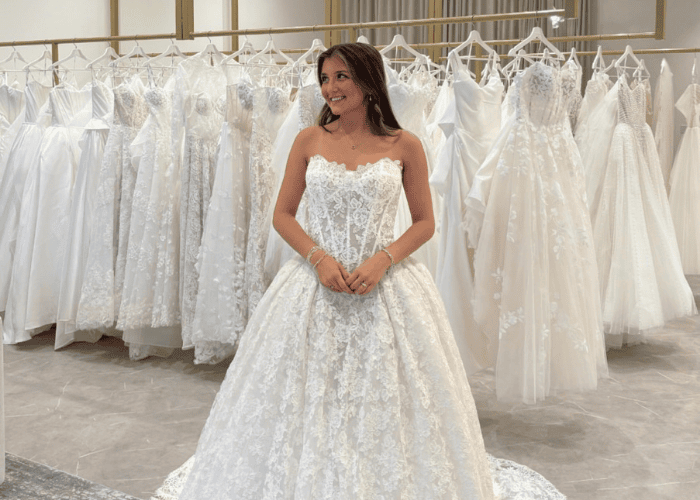
Finding your wedding dress is an exciting milestone, but the process does not end once you say yes to the dress. Most wedding dresses require some level of alteration before they are ready for the wedding day. Alterations play a major role in achieving the fit and comfort you want for your wedding dress. If you have been wondering how long wedding dress alterations take, you are not alone.
Every gown requires a different level of work, and several factors influence how long alterations will take. Knowing what to expect can help you build a realistic timeline for fittings, alterations, and final pickup.
How Long Do Wedding Dress Alterations Take for Most Brides?
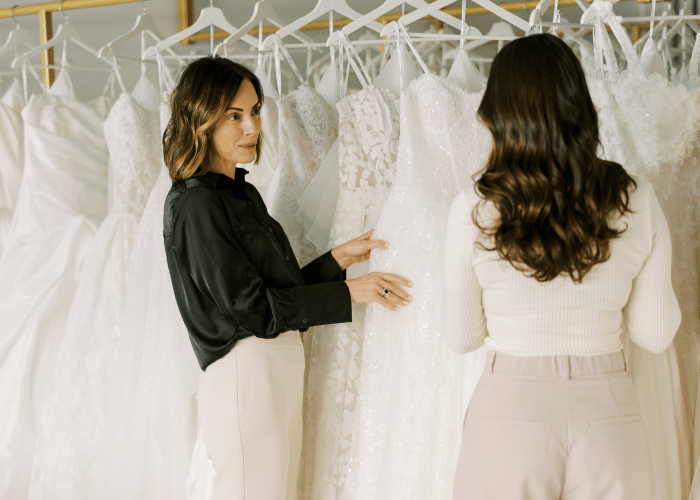
Most wedding dress alterations take between six and twelve weeks from the first fitting to the final pickup. The exact timeline depends on the complexity of the changes, the construction of the gown, and the availability of your seamstress.
Simple adjustments often require less time. More detailed alterations involving lace, beadwork, multiple layers, or significant reshaping usually take longer because each modification requires careful attention to detail.
Most brides attend two to three fitting appointments before the dress is ready. Each fitting allows the seamstress to evaluate the fit, make adjustments, and ensure the gown continues to sit correctly on the body.
Starting alterations early gives you more flexibility and reduces the risk of rushing important changes close to the wedding.
When Should You Start Wedding Dress Alterations?
Most bridal professionals recommend scheduling your first fitting about two to three months before your wedding day. This timing helps minimize the chance of needing additional adjustments later. Starting too early can create challenges if your body changes before the wedding.
If your gown arrives several months before the wedding, your boutique may suggest waiting until the recommended timeframe before beginning alterations.
Brides planning destination weddings may choose to complete alterations earlier if travel arrangements require additional preparation time.
What Happens During Each Fitting?
Most brides attend two or three fitting appointments during the alteration process, and each fitting serves a different purpose.
First Fitting
Your first fitting is usually the most detailed appointment.
The seamstress evaluates how the gown fits through the bust, waist, hips, and hemline. During this appointment, she identifies areas that need adjustment and pins the gown accordingly.
You should bring:
-
Your wedding shoes (or a pair with similar heel height)
-
The undergarments you plan to wear
-
Any shapewear you have chosen
-
Accessories that may affect the fit of the gown
These items help create accurate measurements and prevent surprises later.
Second Fitting
The second fitting focuses on reviewing the initial alterations.
At this stage, the gown should already feel much closer to the desired fit. The seamstress checks the previous adjustments and determines whether the gown needs any additional refinements.
Small details often receive attention during this appointment, especially around the neckline, straps, sleeves, or bustle.
Final Fitting
The final fitting confirms that everything fits correctly before the wedding.
You should be able to walk comfortably, sit naturally, and move with confidence while wearing the dress. The seamstress will also demonstrate how to secure the bustle if your gown includes a train.
Once all adjustments are complete, the seamstress prepares the gown for pickup.
Factors That Can Affect Your Alteration Timeline
Several factors can influence how long the process takes.
Dress Design and Construction
A simple satin gown generally requires fewer hours of labor than a dress covered in intricate lace or hand-applied beadwork.
Detailed fabrics require additional care because every alteration must preserve the original design.
Amount of Alterations Needed
Your seamstress can often complete minor adjustments such as shortening straps or taking in a small section of the bodice relatively quickly.
More extensive changes, including resizing multiple areas or reshaping the silhouette, naturally require more time.
Busy Bridal Seasons
Alteration schedules often fill quickly during peak wedding months.
Spring and fall weddings tend to create higher demand for seamstresses, which can extend appointment availability and turnaround times.
Booking early helps secure preferred fitting dates.
Weight Changes Before the Wedding
Significant weight fluctuations may require additional adjustments after the initial fittings.
Maintaining a consistent size throughout the alteration process helps ensure the best possible result and prevents last-minute changes.
Can Wedding Dress Alterations Be Done Quickly?
Rush alterations are often possible, but they are not always ideal.
Some seamstresses can complete alterations within a few weeks if necessary. Availability depends on their schedule, the amount of work required, and the complexity of the gown.
Rush services may also involve additional fees.
If your wedding date is approaching and your dress still needs alterations, contact a professional as soon as possible. The earlier you reach out, the more options you will have.
Common Wedding Dress Alterations Brides Need
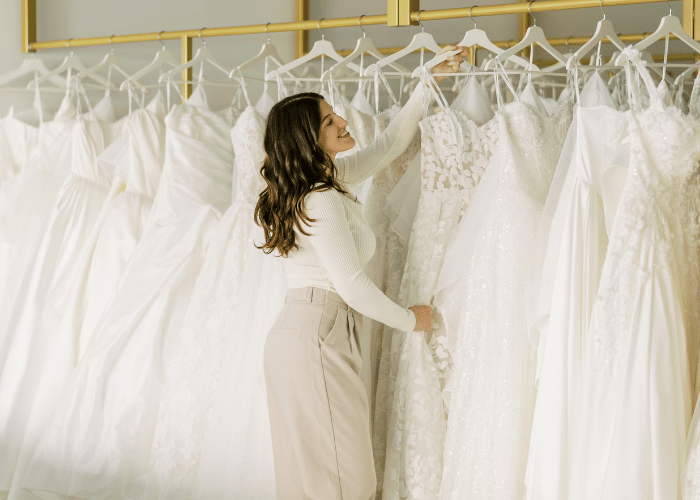
Most gowns require at least a few adjustments, even when ordered in the closest available size.
Common alterations include:
-
Hemming the length
-
Taking in or letting out the bodice
-
Adjusting straps
-
Adding bra support
-
Shortening sleeves
-
Creating a bustle for the train
-
Refining the waistline
-
Adjusting the neckline
These modifications help transform a beautiful gown into one that feels custom-made for you.
Questions Brides Often Ask About Alterations
Will I Need Alterations If My Dress Fits Well?
Most likely, yes.
Designers create wedding dresses according to standard sizing, and very few brides fit those measurements perfectly. Even small adjustments can improve the overall appearance and comfort of the dress.
How Many Fittings Will I Need?
Most brides attend two or three fittings.
The exact number depends on the complexity of the alterations and how the gown responds to each adjustment.
Should I Bring Someone to My Fittings?
You can, but it is not necessary.
Many brides find it helpful to bring one trusted person for support and feedback. Keeping the group small often makes the appointment more productive and focused.
What If My Dress Arrives Late?
Contact your boutique and seamstress immediately.
They can assess the available timeline and discuss the best approach for completing alterations before the wedding.
Plan for a Smooth Bridal Experience
The best alteration experience starts with realistic planning. Giving yourself enough time allows your seamstress to perfect every detail and helps you avoid unnecessary pressure as the wedding day approaches.
At the end of the process, your gown should feel secure, comfortable, and tailored specifically to you.
If you are shopping for your wedding dress and want guidance on timelines, fittings, and what to expect after ordering your gown, the team at Hailey Nicole Bridal is here to help. From finding the right dress to preparing for alterations, you can count on experienced support throughout every step of your bridal journey.